LifeIZGood.com
A place to discover, renew and rejoice
Southwest Sojourn
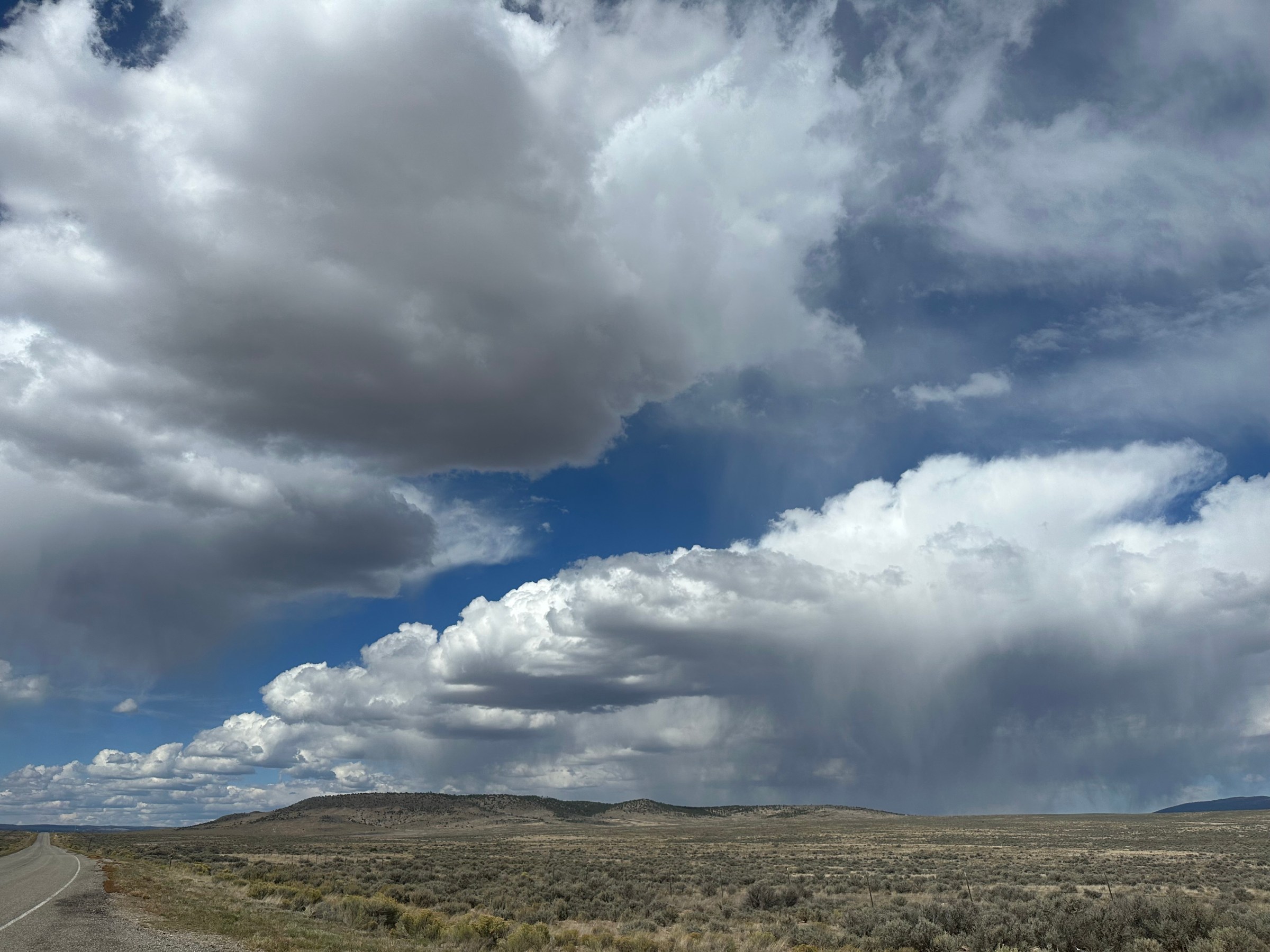
Week 5 of The Great Jan Z Solo Transformation Tour has me reverently writing in the veil of the setting sun here in Taos, New Mexico where I’ve lived for the last three nights at a pretty cool little RV park, Taos Valley RV. I never ever thought I’d stay in RVLand, but I’m at the edge of the park in the tent row, Site 70, fairly isolated from the big ol’ Class As; each site has a decent enough amount of space. They don’t allow generators here, so that keeps down the noise tension. There are showers, laundry facilities, a dump station and you can hop on the red trolley for a dollar to explore the ins and outs of the town. The folks here are major chill. No boom box party vibes at this RV campground, which perfectly aligns with what I seek; restoration.
I LOVE Taos. L-O-V-E. It’s arty, the Southwest cuisine is amazing; I’ve eaten out every day, which is not my usual M.O. But it’s all just too good to pass up. I recommend Antonio’s, La Cuesta, Orlando, Taos Java for great coffee, and Michaels for breakfast.
I’ve been the ultimate tourist, visiting the Rio Grande Bridge, the Plaza, and Taos Pueblo, a World Heritage site that has been home to the Red Willow or Pueblo people for more than 1,000 years. Fifteen families currently live within the original pueblo sans modern conveniences such as plumbing, electricity and Amazon deliveries. To live within the pueblo, residents must have inherited their shelter from their ancestors—there’s no such thing as real estate transactions. Dwellers must agree to abide by Tribal laws enforced by patriarchal leaders.
Like other indigenous groups, their ancestors were slaughtered and beaten into submission by invading Spaniards and the U.S. Calvary. The graveyard, pierced with splintered wooden crosses and a collapsed Catholic church, is a somber reminder marking the day 150 Red Willow residents gathered in the sanctuary thinking they’d be protected, only to be slaughtered by the Calvary which was ordered by the U.S. government to destroy both the church and its parishioners.
It was hard not to lose it, imagining the children, parents, grandparents and neighbors perishing in a place that was designed to provide solace. I asked our tour guide, “Did you receive any form of apology from the U.S. government?”
“No.”
The officers did their job, she said. “They were ordered to get rid of us. And they almost did.”
Survivors who were hiding in other parts of the pueblo escaped into the foothills and mountains, their sacred place. Years later, Blue Lake and surrounding 49,000 areas would become Teddy Roosevelt’s National Park land grab until Tribal leaders protested and eventually won back their holy land.
I visited Taos Pueblo on Indigenous Peoples Day. Residents who live in the community make a living off of tourists. In the front room of their adobes, they sell jewelry, fry bread, instruments, paintings, sculptures, and various other wares visitors might be interested in buying. For me, it was an opportunity to try to understand a way of life much different from my own by listening to their stories, asking questions, and supporting their artistic pursuits.
Driving across the high desert on my way to another fascinating site, Earthship, a self-sufficient, eco-construction community, it was hard to shake their stories, hardships, and resilient spirits. There’s so much more I need to know and feel. This beautiful land is painted with blood. Unforgiveable, yet the residents I spoke to use The Arts to heal and express.
“Up there,” an artist told me as he pointed to the foothills, “is my faith, my church, where I go when my heart is broken.”
Mother Nature, he said, brings him back to his Truth, his Purpose.
Do no harm. Not to others, our wounded planet, to ourselves, he reminded me.
The people I’ve met, the places I’ve visited, new and familiar, has have brought me back to myself, a place that is oh-so-familiar, but gets lost in the frantic, day-to-day soundscape of city life. My heart tells me to stay here, be here, in the air, in the sun, in the glass sky quietude of the Southwest, a place I’ve longed to visit for more than a decade and at longlast heeded the call.
Everything is working out as I hoped it would. Making loose plans, yellow pen-highlighting an old-fashioned map, circling possible good campgrounds but reserving the right to change my mind, being flexible, open, turns out, is good for my soul.
All those years of deadlines, jarring school bells, and perpetually needy young ones, no longer dictates the rhythm of my days. These days, I listen to the wind, study the movement of the clouds, and take time to give thanks to The Creator for taking care of me, my friends and family and those whose hearts are troubled.
I leave you with a Mary Oliver poem that seems appropriate for this juncture of my journey and, I hope, yours. It’s called “Wild Geese”.
You do not have to be good.
You do not have to walk on your knees
for a hundred miles through the desert repenting.
You only have to let the soft animal of your body
Love what it loves.
Tell me about your despair, yours, and I will tell you mine.
Meanwhile the world goes on.
Meanwhile the sun and the clear pebbles of the rain
are moving across the landscapes,
over the prairies and the deep trees,
the mountains and the rivers.
Meanwhile the wild geese, high in the clean blue air,
are heading home again.
Whoever you are, no matter how lonely,
the world offers itself to your imagination,
calls to you like the wild geese, harsh and exciting—
over and over announcing your place
in the family of things.
 LifeIZGood.com