LifeIZGood.com
A place to discover, renew and rejoice
The Last Day
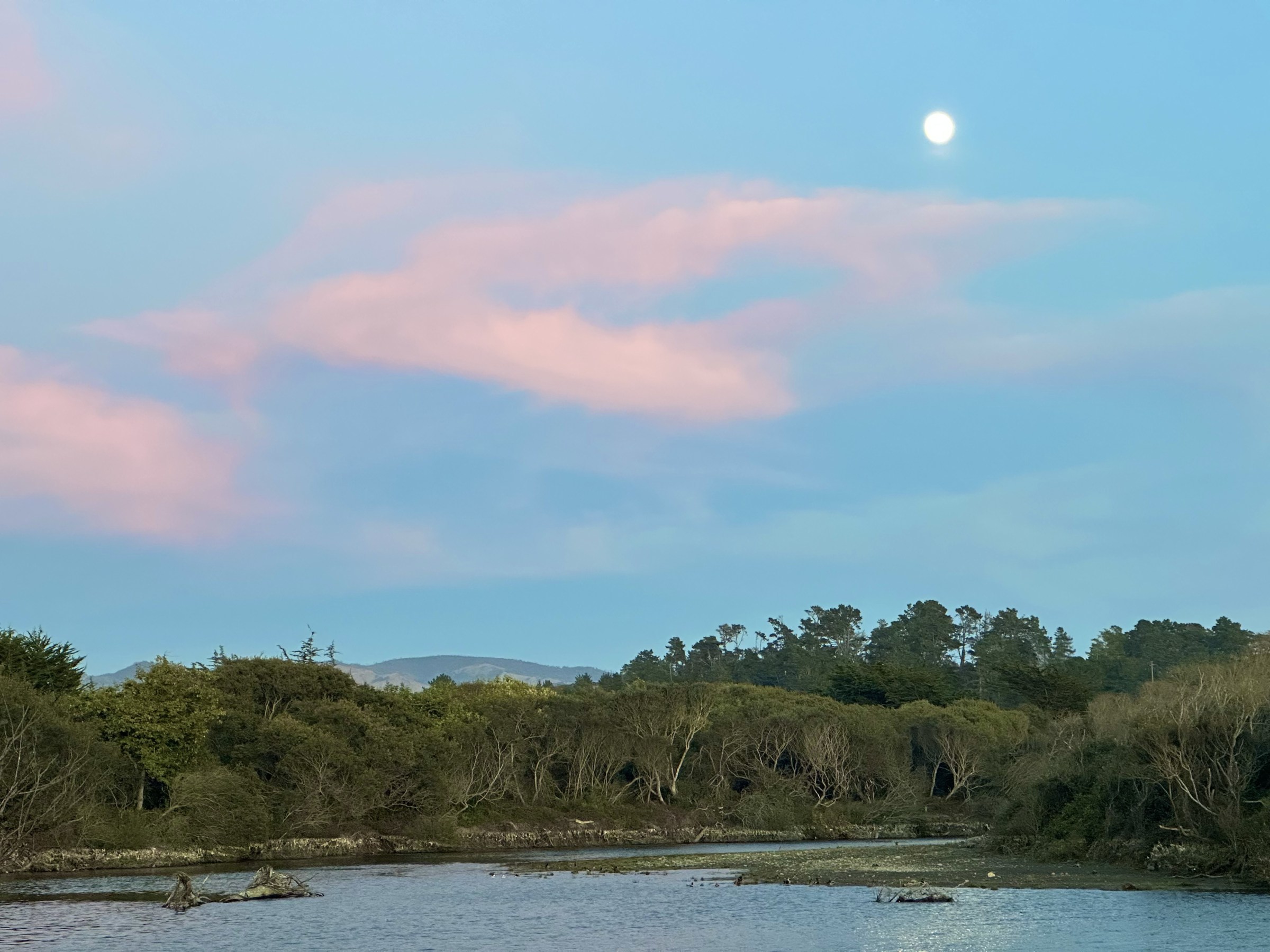
To say I’m in mourning isn’t exactly accurate. I’m Grateful with a capital G, but also stunned that so much time passed so quickly. Almost two months. Gone. Just like that. Snap! A trip I imagined for years and years and years. My dream of taking off in a camper van and vanishing. Making a right turn if it made sense. Going left if it meant experiencing something new or familiar. Chasing the Sun. Getting out of the Sun. Then returning to the place I started, the place that means everything to me, Cambria. Visiting with my high school buddy for an early dinner at Las Cambritas. How appropriate! Being quiet and still in my camp spot mid-week camping is da bomb. Eating healthy foods, drinking local wines, staging my crib with pumpkins and Native American print fabric. A Trader Joe’s bouquet of yellow-rust mums and my orange and white strand of solar lights.
Sigh.
My portable Weber grill patiently waits for the last Outdoor Feast of the Season. The gentle ocean breeze feathers my ruddy cheeks as the grey squirrel stretches her belly in the sun-warmed charcoal-laced dirt.
Oh my God how I love my Life, roaming, settling, meeting new people, being outdoors in all kinds of weather, having no responsibilities, other than to myself. Being comfortable in silence with minimal distractions. My writing. My paints. My books. My wonderful organic foods I love cooking for myself. Veggie stir-fry’s, Cereal for dinner. Fresh fried eggs with mushrooms and pepper. Tonight, grilled salmon from Giovanni’s in Morro Bay with Japanese sweet potatoes and a half a bag of broccoli. No complaints. No alternative food considerations. If I want a glass of rose at 3:45, I can have one. If I want to wake up at 6 a.m., make a cup of New Mexico coffee and finish my book or the documentary I started last night, I can do so. I can keep the windows open and run the heater, fall back to sleep and doze until 10, take a walk along the beach, a second hike along the cliffs, come back and paint, read, write, or just think.
I recommend this lifestyle to everyone, especially women. Go off, have an adventure, and don’t come back until you’re ready.
I’m not ready, if I’m honest. But I have a medical appointment I have been putting off since September and must attend to it Monday, otherwise, I’d still be on the road. There’s so much to see. So much to discover. And I’m not just talking about cultural and historic points of interest. Really, this journey has been an internal coddiwomple with the outside world being a vehicle to bring the focus back on myself.
My oldest daughter recently called me a narcissist. Now this wouldn’t be the label I’d assign myself. But perhaps it’s true if loving and accepting myself for who I am—warts and all—for the first time in my Entire Life, then I’ll agree, I’m a narc and I’ll wear the emoji proudly.
This self-love revelation is a generational shift. My mother did not have the luxury of caring for herself. She lived in a time that self-care consisted of hiding her cigarette addition. I wish, how I wish, I had seen her put herself first, instead of her kids and husband. I wish I had watched her stand up for herself instead of allowing circumstances to dictate her life. I wish I had witnessed her evolution from the 1950s to the 2000s. Unfortunately, she left the world too early.
So now it is up to me, for Me.
I need to say No when I need to say No and Yes when I need to say Yes. I need to love myself enough that I’m OK with people not liking or “getting” me.
I’m emboldened to be myself. Because that’s all God, my Source and Savior, has ever asked of me.
I’m not going to get all religious. But my Faith, my relationship with God that I have been aware of and could articulate since I was in the Third Grade, is my rock. Going forward, when shit happens, I’m calling God.
This adventure has been an adventure, one I can’t wait to continue next Spring. Not sure how it will manifest, or the date, but amazing things are on the horizon. I can just feel it. It’s like I’m on a horse that’s about to go full throttle along the shore.
While it would be awesome to have my hair flowing and my skin taunt against the salty sea, it’s happening now, as Fall turns into Winter. Not too late. Just about right, I’d say.
On the last day of my epic Sojourn 2023, I conclude with a big hug and Thank You for indulging me with my joy, my ups and down and little girl wonder as I saddled up and traveled north and east and south and west in my quest to start where I began.
Do it! That’s how I want to end these travel blogs. Two months. Two years. Two days. It all goes by so quickly. My campsite neighbor, Kristine V., said to me, “On your deathbed, what would your regret not doing?”
I know my answer. Do you?
Bump in the Road
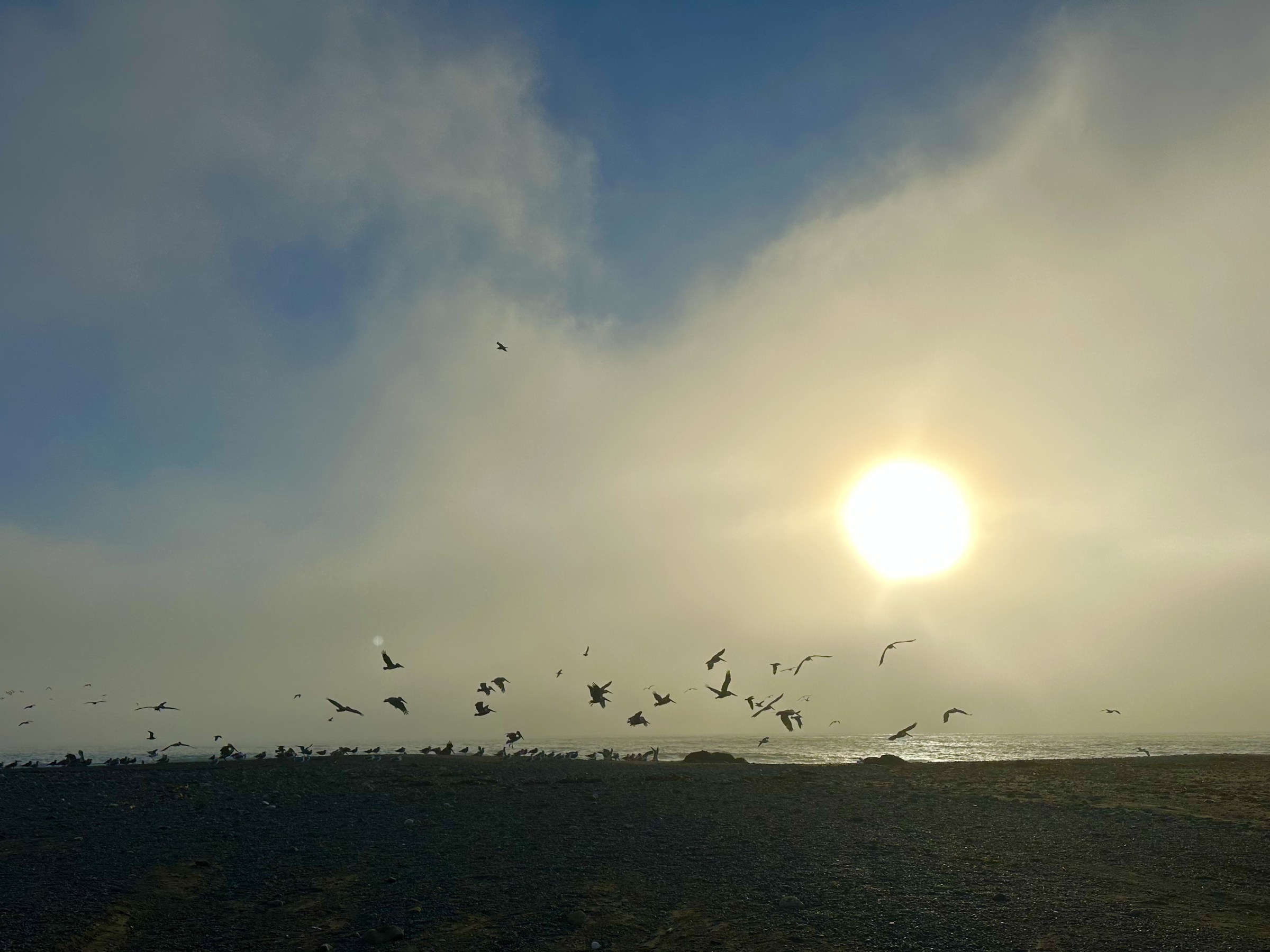
All roads lead to the same place. The beach. Reading. My watercolors. Music, when I can get reception. And her. The one who festers my soul, crushes my self-esteem, makes me want to close my ears and run.
Those who know me know well know I’ve been struggling with this person for many, many years. I love her, and always will, but I have learned to tread cautiously. Be PC. Care without overly caring. Never be honest. Never be truthful. Never confess. Never share my heart.
Because she twists it, sets it on fire, gleefully dances on my spirit, feeling vitriolic, self-righteous. Then, moves on.
Her words are shattering.
When she speaks to me, she does so with a sharp arrow dipped in poison. Leave no prisoners: Shoot to kill.
But it’s hard for me move on, even as I pause in this place of beauty and solace. I shake my head at myself; once again, I allowed myself to get suckered in, believe in the possibility of a positive relationship, hope. Share my Truth. Be Real.
What an idiot to think we could have a real relationship! We had a similar “blow-up” this time last year, I even wrote about it.
Why do some people think they have “the right” to stab you in the gut? Defame you? Generate mean-spirited gossip? While you know you’re far from perfect, you know your intention, your heart’s mission, and that is to lift up, rather than tear down.
I understand that hurt people want to hurt people.
I understand that when mean people say mean things they are really just holding up a mirror and talking to themselves.
I understand that I shouldn’t take their words to heart.
But I do.
I feel the jab of hate and it gets stuck in my core, twisting, searing, causing me to lose focus and struggle to sleep. While The Spewers move on, satisfied that they said their piece, a piece of me lies crushed on the pavement.
Even here. Even in this glorious landscape. Even after 67 years. Words hurt. They smack you in the face, sometimes out of nowhere, and cause an unsteadiness, a stagger, an inclination to withdraw from the open range where you’re too easy a target.
Fortify. Put on the armor. Load up with “take that” words of your own. Fire back! Defend yourself. And you’re good at it. At words. At warfare. Should you choose to engage, you’d win. If that’s what you want. To win.
I do. That’s my knee-jerk, honest reaction. My first instinct is to pummel back. But I’m too old for nonsense. I just want to live my life, in peace and love. No drama. No fights. No telling others what to do and how to think. And vice versa. I just want to figure stuff out with others interested in doing the same thing.
But when a fire-breathing dragon appears over the horizon how do you respond?
Thank you, I’m supposed to say.
Thank you challenging people.
Thank you challenging times.
Thank you for being my teacher, guiding me to uncover Important Life Lessons.
Two steps back, three steps forward—IF I learn The Lesson.
We’re all on our own journey, a road that takes us thousands of miles away, like the one I’m on. I can be kayaking across a beautiful lagoon with a friend, paused on the rain-soaked lawn in front of my niece’s home, or here in my van listening to the crashing waves; we’re all just mapping out our days to the best of our ability, doing our best not to cause waves.
God knows my heart, my intention, my sincerity.
Does it hurt when I’m misrepresented? Like hell. Who wants to be misunderstood?
But nowadays it brings me back to self-reflection, growth, and a reoccurring theme: Forgiveness.
“Forgive and forget,” my dad always used to tell me.
“But it’s hard, Dad,” I’d counter. He always knew my heart.
One of the hardest things I ever did was to forgive my offender, but not before it took its toil on me. For most of my life, I allowed his cruel words to define me. That’s what us sensitive people do. We’re porous.
But I’m getting better. Since last October’s attack, I’ve learned to brush the venom off quicker than I used to. Dwell less, forgive more.
Thank you, Mean Teacher and all the Mean Teachers throughout my life for helping me grow. Because of you, I became a writer. But unlike you, my words come from a Source of Love:
Dear Wee Janzie,
One day when you’re old, but not that old, you’re going to realize that not everyone’s going to like you for a variety of reasons. It’s not your fault. It’s their choice.
Always know that you’re a good person, a kind person, who escorts a tiny spider out of your van because the little fella did you no harm. When you grow up, you’re going to be the same person you were when you were little, a girl who loves to draw, write, laugh, sing, dance and hang out in Nature. You’re always going to feel things deeply, and when you love, it’ll be with your entire being. That’s what I cherish most about you, your big, forgiving heart.
I must warn you; you get a little bruised along the way. Life can do that sometimes, but no matter what, you’ll find a way to climb out of the dark crevices and into the Sun.
Remember, I’m here for you. Every day. Every moment. When you ask, and when you don’t ask. Keep going. Don’t stop. You’re here for a reason. Your story gets better, I promise.Not everyone’s going to “get” you, dearheart. That’s OK, because I do.
Love forever and always,
God
Sit down and stay awhile
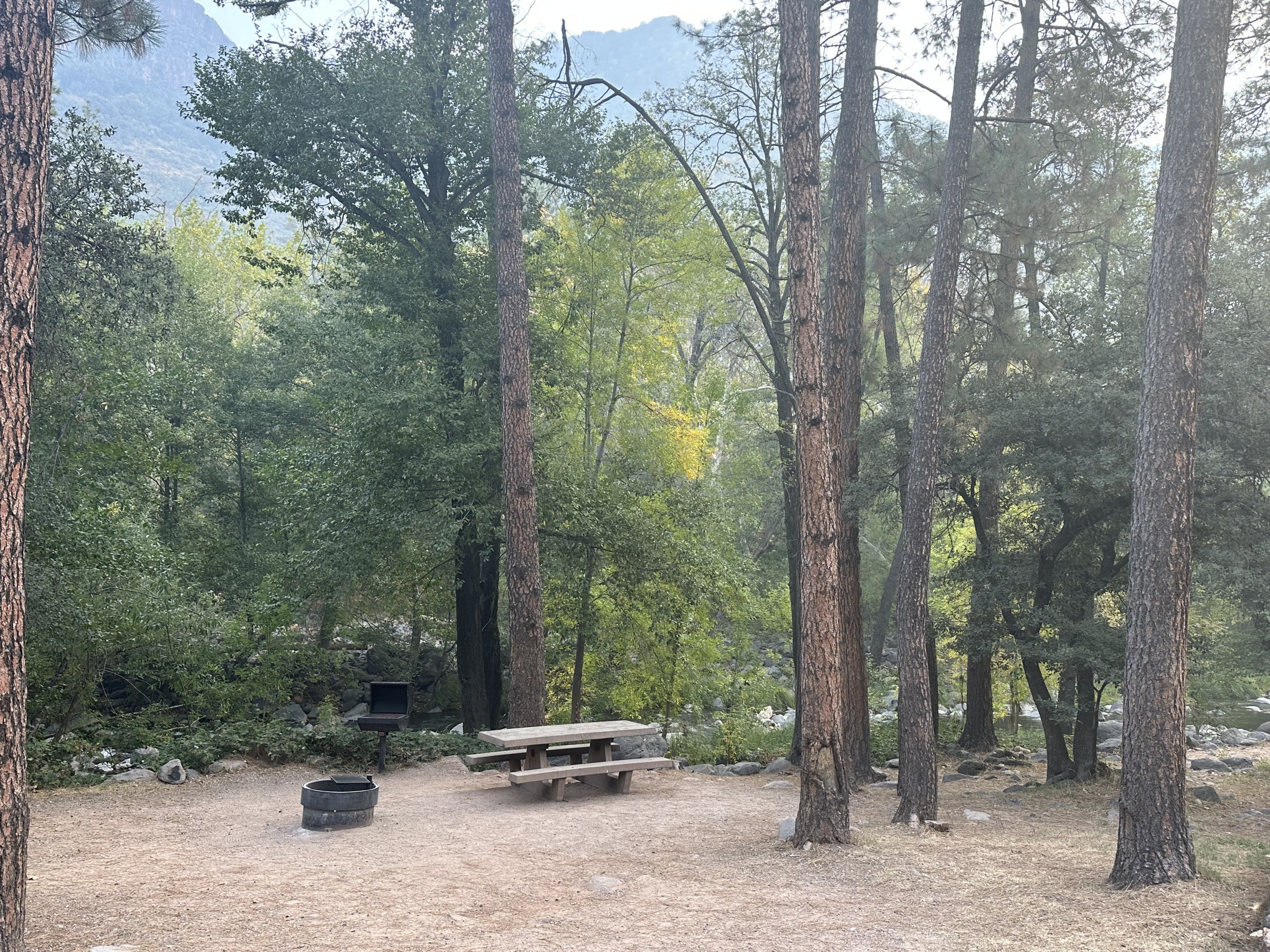
This is the juicy part. The part I crave. My Tuolumne Meadows in Eastern Yosemite that happens after the first five days.
Right now, it’s the first four days here on the outskirts of Sedona, camping in the same place that will be tomorrow’s first five days.
Let me spare you the narrative—how I got from there to here—-and cut to the chase: It’s the feeling. It’s the getting-to-know-you. It’s the intimacy. It’s the familiarity. It’s the acceptance. It’s the opposite of the next, next, next checklist mentality and lifestyle many of us embrace: Move on, see something new. Selfie, selfie, click, click, I’m popular, Instagram reaction. It’s, as in Capital I and Capital T, the I’m here, thank you. I’m your humble student. How can I best serve you?
And the answer: Be still. Do nothing.
Can you do that?
I’m not saying it’s hard. It’s different. It’s counter-Society. Maybe even counter intuitive.
But that’s what my instincts told me to do, after a great deal of mapping and thinking and weather-checking and plotting-out the remaining days of my two-month sojourn before returning to the South Bay.
Sit? Stay still? Don’t sightsee? Don’t move Bonnie Doon? Don’t worry? Be happy?
It made me twitch.
But that’s what I did. Twitch and change courses.
And you know what? I know it may sound crazy, but this beautiful landscape became my friend.
I know her spring-fed swimming hole, the rocks to avoid, the sand bars to secure my footing. I know it will be cold, then less so the longer I stay in. I know visitors will walk by and it’s OK to be old and have a droopy body.
I know the sky will be cartoon blue. I know the stocked, brown trout will pop up every now in their longing doomed gnats. I know my body will tingle for several hours after my plunge and that it will leave me feeling fresh and revitalized. I know it’s best to submerge no later than 2 p.m. so I have plenty of time to dry off.
I know sunset is at 5:48 p.m. and I need a sweatshirt and my baggy turquoise Patagonia camping pants on by 5:30 so I don’t get cold. I know the best place to sun-saturate my solar lights and where to hang them up on the oak tree next to my rig. I know where to place my chair in the center of the wild mint next to the creek so that every time the wind blows, I’m misted in spearmint.
I know it will be in the mid-80s by noon and to keep the van cool I need to draw the blinds before 11 a.m. . The sun stays away from the picnic table, so I know it’s OK to lunch or read there before early afternoon.
I know that the cars rushing by on Highway 89 stop speeding after 7:30 p.m. I know that there’s no Internet reception and the trash can is 50 steps away. I know that this campground doesn’t attract partyers and is a loving respite for one-night travelers. I know there was a tarantula sighting two months ago, and that the camp host caught a rattlesnake, but there hasn’t been a bear or racoon or squirrel all season, “and we don’t know why.”
I know fly fisherman recognize Manzanita’s Forest Service Campground as one of the top 17 fishing holes in Arizona and was re-stocked just today.
I know next time I visit, to be safe, I better make reservations. Sites 17, 18 and 19 are best.
I know the time the wind shifts and the smoke from the prescribed fire burn covers the afternoon sun, creating a celluloid coating like the recent Ring of Fire Eclipse.
I know that I will sit by the creek and read 100 pages a day, then go for a walk, and before I know it, it’s 4:30 and almost time for a veggie, one-pot dinner.
I know that by 8:30 I’m in bed, feeling sleepy, safe, and comfortable in my tiny home, that tomorrow, my last day, will be savored like the steaming coffee I will pour for myself as the sun sneaks over the mountain. One last day. The fifth day. Settled. Grateful. Fortified.
As a traveler, it’s inevitable that those long days between here and there are going to happen. For instance, the drive between Kingman, AZ and Barstow, CA is bleak. No choice but to gut through it. But if I can plan it out and settle-in for two days, better yet five, it is revitalizing. I know I’ve been there. Somewhere.
My sister asked me last week which my favorite place was to camp. “So far,” I told her, “The redwoods in Northern California.” But that’s because I was there for five days, I told her. “It felt like home.”
Now, I’d tell her, my new favorite place is the forest before you get to Sedona, a campground you’d likely jet past on your way to the spectacular red rock scenery. Small, about 27 sites, close to the road, but once I decided to set out my solar lights, tablecloth and nuzzle my chair down by the creek, I shifted my mindset from spectator to welcome guest.
Five days. It takes five days to see the same butterfly land on the same rock at the same time of day and just when you take your camera out, it flies away.
It all makes sense
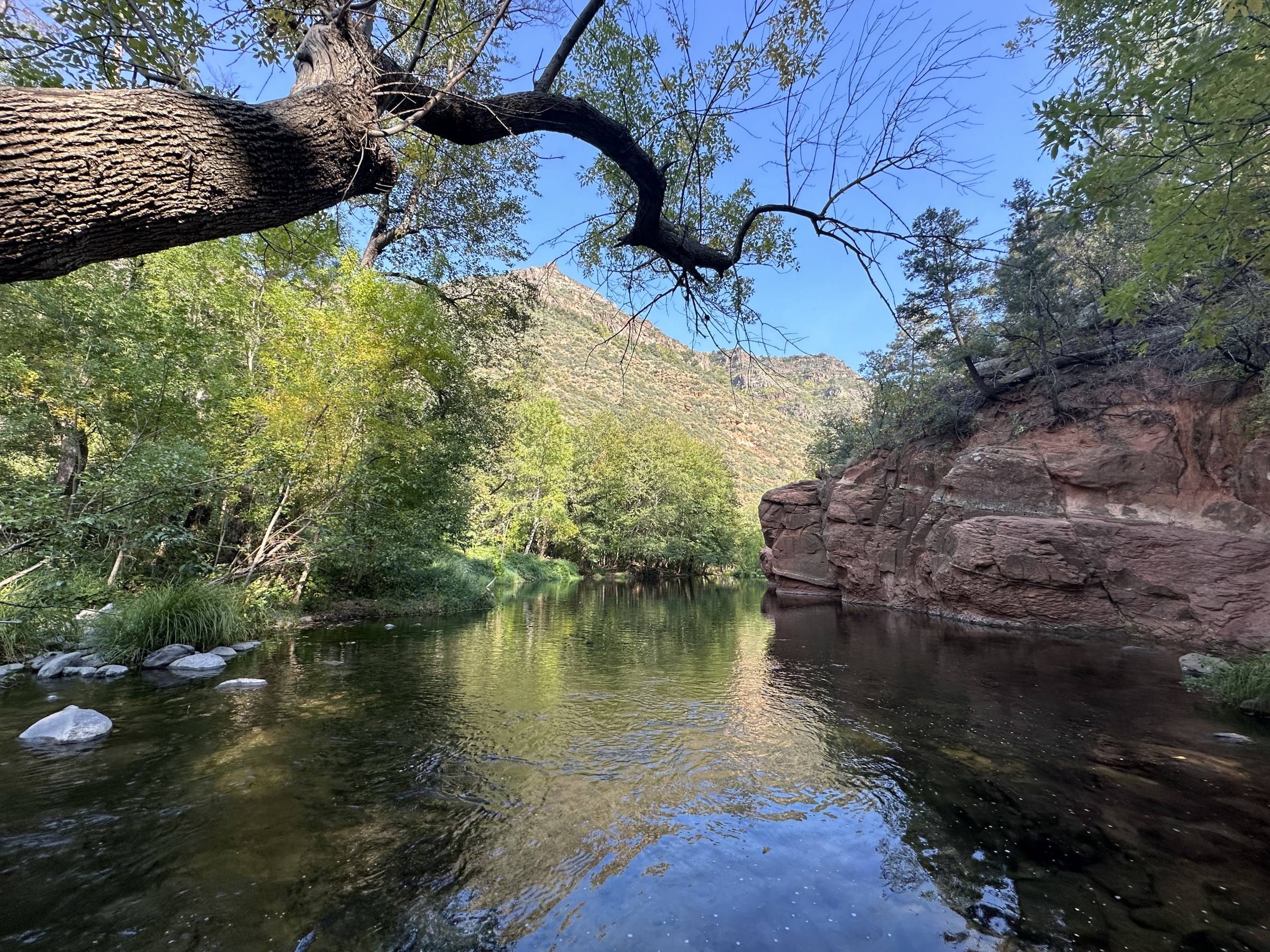
This is not the Sedona I remember from 27 years ago when my cousin Bevie and I flew here to celebrate my milestone 40th birthday. It was my first Destination Birthday, a splurge; I felt called to be in a place I’d never been before, a place that was grounding, uplifting and spiritual. Sedona is still that, only garnished with hundreds and hundreds of multi-million-dollar homes.
If you’ve never been here but been to Disney’s California Adventure in Anaheim, driving into the City of Sedona is like riding the 90-minute-long-wait “Cars”’ Radiator Springs ride. The colors. The towering ancient red, orange, and peach sandstone sculpture-scape, the crystal blue skies contrasted against the green ponderosa and pinyon pine trees, are otherworldly, breathtaking.
Being in Sedona is like being an extra on a movie set.
However, and but, and yet, and too bad, it’s packed with shops and shops and shops and cars and cars and cars and cars and buses and buses and buses. Roundabouts that were supposed to solve the traffic problem but didn’t. Many, many, many, many people, just like Disneyland, and pink jeeps and guided tours and short sleeves and tourist shorts and 86-degree temps mid-October. Personally, not my jam, but lots of other people, better than I, dig it. For hotel-ers and spa-ers, downtown Sedona is a mecca for turquoise-buying and Southwest cuisine-dining and chilling-out in an environment I daresay is vastly different from home.
Glance at the license plates, Mississippi, Maryland, Washington, Maine, and a European plate, and it’s clear, we’re not in Kansas anymore.
To me, the City of Sedona is a drive-through on my way to Safeway to restock, mail some postcards, find a laundromat, and see what’s changed since the last time I was here with my cousin. Decades ago, Bevie and I were into New Age readings and alternative health. We were lured by Sedona’s reputation for healing vortexes and muslin-garbed, shepherd staff-carrying sages we figured we’d see roaming the streets. Even back then, we actually had to hunt one down eventually tracking down a sage-type at a Spiritual Circle we saw advertised on a coffee shop flyer.
“What the heck, let’s check it out!” we both agreed and opened the door to an in-progress session held in nondescript office strip mall.
OK, it was odd. The robe-guy offered to read our auras, so we let him. I have no memory of what he said, but when we left, we both giggled and wrote off the $20 per seeker fee as an adventure.
When the session ended around sunset, Bevie insisted on treating me to birthday dinner at a famous fancy resort miles outside of town.
“So, this is how the other half lives?” I remember thinking as I bit into the first purple potato I ever tasted. It was, I declared, the best meal I ever ate!
Happy and grateful, I told Bevie on the drive back to the budget hotel, “We need to do this more often.” As one does while driving down a pitch black road, I glanced back at the rear-view mirror and noticed lights up in the sky. They appeared to be following us.
“Bevie, do you see that? What is it?”
They were a set cigar-shaped lights that appeared to be getting closer and closer to our rental car.
It’s important to note that neither Bevie nor I believe(ed) in aliens or UFOs. We didn’t expect or want to see extraterrestrials in Sedona. But we saw what we saw. It was real all right and we were worried and actually scared. Still, I knew as a former journalist that it was important to document the sighting with my Nikon (this before mobile phones and drones). So I stopped the car, snapped a few photos, then quickly jumped back in and we sped away toward the city.
The lights faded back into the hillside, then vanished.
The next day, we went to the newsstand in front of the same Safeway I just visited to see if there were any news reports of UFOs or other unusual sightings. Not a word. I asked locals if they had seen or heard anything about lights in the sky or military activity. Nothing.
When we got back to the South Bay, I gave the film to my photographer and UFO-believing husband to develop. The nighttime images were blank, while the day’s adventures were vibrant and whimsical.
We had no proof we saw what we saw.
Almost three decades later, as I sit along the creek at Manzanita Campground seven miles north of downtown Sedona, I think about our crazy trip and all the time that’s lapsed between then and now. What we both experienced couldn’t be orchestrated or replicated. It just happened.
A few days ago, I re-routed what was going to be a southern journey westward toward Sedona. Not because of the shops or hotels or spa treatments. But because of Sedona’s magic. It can’t be bought, captured in a photo, although I try. Sedona’s magic is the Arizona Sister Adelpha butterfly sunning on a rock along the creek and the dozens of hatching gnats dancing in the sun. It is the spring-fed swimming hole that’s too cold to swim in, but you do. It’s the baptismal water-tingle that continues to jolt one’s circulation even when warm and toasty-toasting with new friends around the campfire.
The air, the smells, the sounds, the tastes, are different here, healing.
What I was drawn to at 40—and at 67—is grander than human wizardry. It’s vibrational, symphonic, a masterpiece of jarring and seamless senses that somehow all makes sense.
Is it really this place, Sedona, or an open heart, or the warming sun or the thunderous chorus of gurgling water that sound-proofs the speeding tourists?
As the world goes crazy, I sit here in reverence, in Grace: I am the red rock and the cool creek that feeds the willow and alder trees, the wild mint and lazy Fall grasses, and the cinnamon black bears that call this their home.
Two nights ago, my camp friend, Sarah, and her two children, heard a hypnotic Native American melody coming somewhere downstream. When they went to investigate the source of the forest music, it was gone.
“It was real,” she said, “I swear, we all heard it.”
I have no doubt.
The UnKnotting Process

Life on the Road, Installment 9
America, she be beautiful. America, she be kind. America, she can cook up some bodacious Southwest foods. America, it’s been good gettn’ to know you. America, our time together is helping me understand myself. What I like, don’t like, what I can do and don’t want to do. What I’m confident and clueless about. When it’s time to move on. When it’s time to stay put, investigate, regenerate.
For the last two weeks, I’ve been traveling like crazy. Eastern Oregon, Southern Idaho, and Wyoming (a rainy drive-means-to-an-end-get-to-the-destination-drive-through), Colorado and Rocky Mountain National Park, Steamboat Springs, Boulder, Niedenthal, National Sand Dunes Park and New Mexico. Two weeks may seem like a long time to vacay, but it’s not nearly enough time to genuinely explore. It’s more of a let’s see-what-we-like-for-the-next-time sightseeing experience. Good, but now I need to slow down, reflect, take out the watercolors and connect to the land. Hike. Bathe in a stream. My normal kind of camping.
Yesterday, while I overnight glamped at Humming Desert Alpaca Farm via my Harvest Host membership, I witnessed the Ring of Fire Eclipse alongside the owners and a father and son who had traveled to Albuquerque to experience the phenomenon. The dad, Dan, knew all about what to expect and forewarned us about the otherworldly shadows and coolness that would occur once the process started. Sure enough, it was as he predicted. The birds stopped chirping and the chickens stopped clucking. And the Earth seemed to pause as we collectively looked up in awe.
Not everyone did. Not everyone cared. Not everyone had the ability, like the Amazon driver dropping off a package to the next-door neighbor. He had to work. Other people were infirmed, sad, having babies, watching TV, worrying about how to pay the electricity bill and all the other real-life realities most of us must deal with. But for those lucky folks like myself who were able, and had the desire, to stop for an hour and be still and witness Planet Earth’s marvel, it was eye-misting, grin-worthy, giddy, little kid clapping, humbling.
Inspiring.
And different from what I imagined. The Earth didn’t go black. It polarized.
Had I been alone, without the helpful scientific interpretation of my fellow campers, I would have likely willed myself up into the heavens and been suspended in wonder. Instead, I was an informed witness not a participant.
My entire life I’ve been The Doer, the behind-the-scenes, and sometimes in front, creator, the builder, designer, motivator, and caretaker. I’m still those things, but these days I’m taking a backseat, untying the necklace knots of my life.
If you’ve ever waged war with tangled jewelry, you know it takes patience, agile fingers, good eyes and light, and a willingness to discover the origins of the tangle. With the help of something pricky and prodding, like a safety pin or paperclip, the de-knotting process is a little less dicey. Still, oftentimes I get so frustrated with the mess I created that I’ll leave the silver glob on the kitchen table in hope that someone else will come to the rescue. Rarely, does anyone take the bait. I have to figure it out myself.
That’s the way this Pacific Northwest/Southwest Sojourn has been for me.
Thoughts, regrets, hope for the future, bubble up. I can choose to ignore or address. I talk. I write. I walk and sing. One morning, the sun gets tarped. It’s 27 degrees overnight. My toes are frozen, so I cover my Target fuzzies with my new pair of pink alpaca socks. I bid farewell, head to my next stop, which doesn’t feel right, so I drive another four hours to a moonscape Arizona rest stop where I spend the night in my cozy apartment-on-wheels alongside long-distant truckers.
The right to chuck the yellow highlighted Rand-McNally map and listen to my gut.
That’s what’s happening. A re-awakening. A stillness. A Georgia O’Keefe bleached skull in the painted desert. A dry blue day.
This day, the Sun isn’t going anywhere. But I am. Instead of going South and tourist-visiting another National Park and Monuments, I decided to re-route and head West to a place I’ve been to once before, Sedona, where I will unpack my turquoise chair, take out the paints, and pour a glass of Central Coast wine I’ve been saving. And savor. Absorb. Everything.
This unknotting process is taking time. Maybe even the rest of my life. But being in Nature, having the freedom to have ongoing conversations with myself, is helping. As is prayer, and Grace, and love and wit, and silence and dark, rainy days, and the moon and her community of stars that are so close, I’m sure that if I closed my eyes and asked, I could join them.
Southwest Sojourn
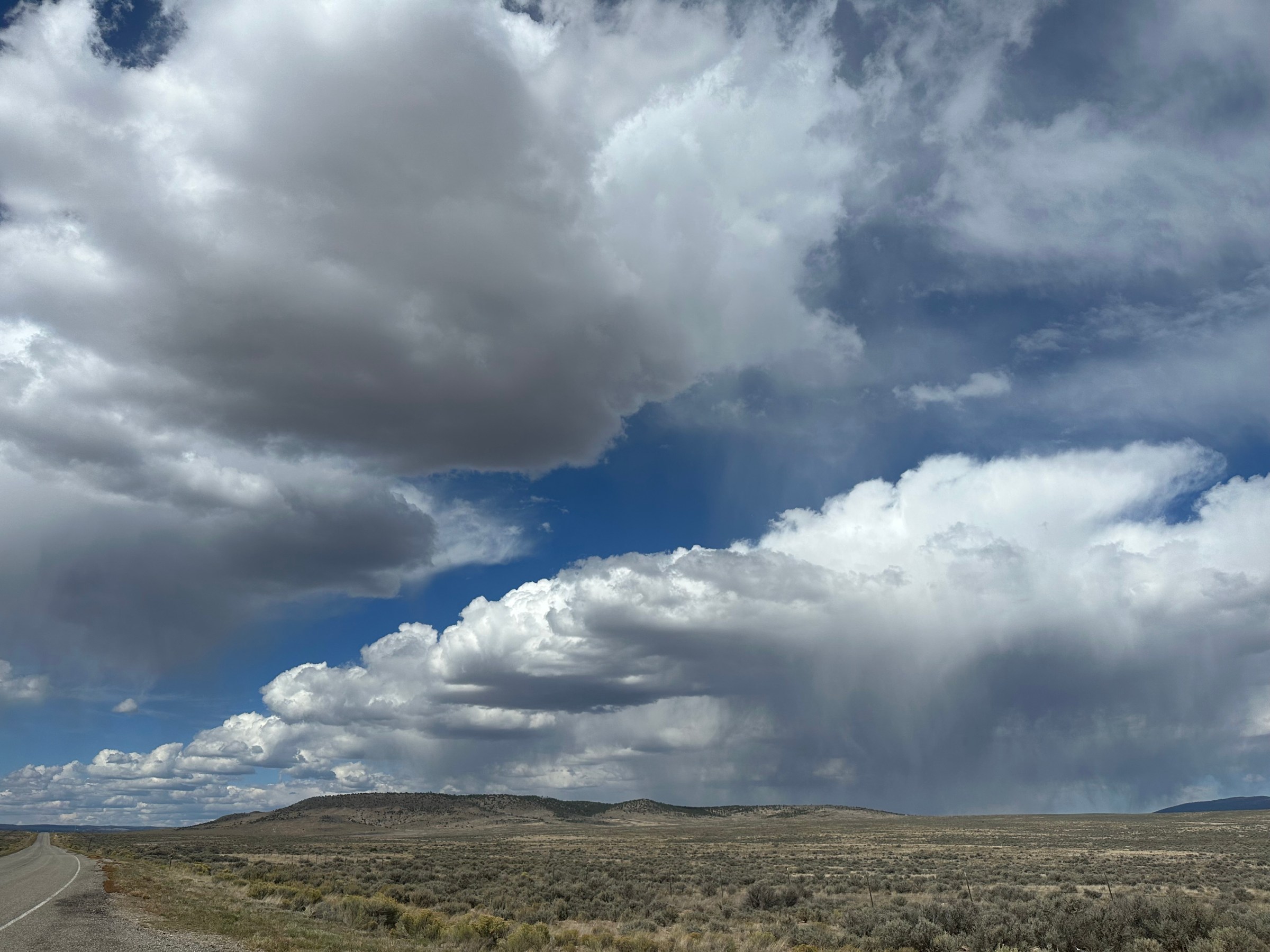
Week 5 of The Great Jan Z Solo Transformation Tour has me reverently writing in the veil of the setting sun here in Taos, New Mexico where I’ve lived for the last three nights at a pretty cool little RV park, Taos Valley RV. I never ever thought I’d stay in RVLand, but I’m at the edge of the park in the tent row, Site 70, fairly isolated from the big ol’ Class As; each site has a decent enough amount of space. They don’t allow generators here, so that keeps down the noise tension. There are showers, laundry facilities, a dump station and you can hop on the red trolley for a dollar to explore the ins and outs of the town. The folks here are major chill. No boom box party vibes at this RV campground, which perfectly aligns with what I seek; restoration.
I LOVE Taos. L-O-V-E. It’s arty, the Southwest cuisine is amazing; I’ve eaten out every day, which is not my usual M.O. But it’s all just too good to pass up. I recommend Antonio’s, La Cuesta, Orlando, Taos Java for great coffee, and Michaels for breakfast.
I’ve been the ultimate tourist, visiting the Rio Grande Bridge, the Plaza, and Taos Pueblo, a World Heritage site that has been home to the Red Willow or Pueblo people for more than 1,000 years. Fifteen families currently live within the original pueblo sans modern conveniences such as plumbing, electricity and Amazon deliveries. To live within the pueblo, residents must have inherited their shelter from their ancestors—there’s no such thing as real estate transactions. Dwellers must agree to abide by Tribal laws enforced by patriarchal leaders.
Like other indigenous groups, their ancestors were slaughtered and beaten into submission by invading Spaniards and the U.S. Calvary. The graveyard, pierced with splintered wooden crosses and a collapsed Catholic church, is a somber reminder marking the day 150 Red Willow residents gathered in the sanctuary thinking they’d be protected, only to be slaughtered by the Calvary which was ordered by the U.S. government to destroy both the church and its parishioners.
It was hard not to lose it, imagining the children, parents, grandparents and neighbors perishing in a place that was designed to provide solace. I asked our tour guide, “Did you receive any form of apology from the U.S. government?”
“No.”
The officers did their job, she said. “They were ordered to get rid of us. And they almost did.”
Survivors who were hiding in other parts of the pueblo escaped into the foothills and mountains, their sacred place. Years later, Blue Lake and surrounding 49,000 areas would become Teddy Roosevelt’s National Park land grab until Tribal leaders protested and eventually won back their holy land.
I visited Taos Pueblo on Indigenous Peoples Day. Residents who live in the community make a living off of tourists. In the front room of their adobes, they sell jewelry, fry bread, instruments, paintings, sculptures, and various other wares visitors might be interested in buying. For me, it was an opportunity to try to understand a way of life much different from my own by listening to their stories, asking questions, and supporting their artistic pursuits.
Driving across the high desert on my way to another fascinating site, Earthship, a self-sufficient, eco-construction community, it was hard to shake their stories, hardships, and resilient spirits. There’s so much more I need to know and feel. This beautiful land is painted with blood. Unforgiveable, yet the residents I spoke to use The Arts to heal and express.
“Up there,” an artist told me as he pointed to the foothills, “is my faith, my church, where I go when my heart is broken.”
Mother Nature, he said, brings him back to his Truth, his Purpose.
Do no harm. Not to others, our wounded planet, to ourselves, he reminded me.
The people I’ve met, the places I’ve visited, new and familiar, has have brought me back to myself, a place that is oh-so-familiar, but gets lost in the frantic, day-to-day soundscape of city life. My heart tells me to stay here, be here, in the air, in the sun, in the glass sky quietude of the Southwest, a place I’ve longed to visit for more than a decade and at longlast heeded the call.
Everything is working out as I hoped it would. Making loose plans, yellow pen-highlighting an old-fashioned map, circling possible good campgrounds but reserving the right to change my mind, being flexible, open, turns out, is good for my soul.
All those years of deadlines, jarring school bells, and perpetually needy young ones, no longer dictates the rhythm of my days. These days, I listen to the wind, study the movement of the clouds, and take time to give thanks to The Creator for taking care of me, my friends and family and those whose hearts are troubled.
I leave you with a Mary Oliver poem that seems appropriate for this juncture of my journey and, I hope, yours. It’s called “Wild Geese”.
You do not have to be good.
You do not have to walk on your knees
for a hundred miles through the desert repenting.
You only have to let the soft animal of your body
Love what it loves.
Tell me about your despair, yours, and I will tell you mine.
Meanwhile the world goes on.
Meanwhile the sun and the clear pebbles of the rain
are moving across the landscapes,
over the prairies and the deep trees,
the mountains and the rivers.
Meanwhile the wild geese, high in the clean blue air,
are heading home again.
Whoever you are, no matter how lonely,
the world offers itself to your imagination,
calls to you like the wild geese, harsh and exciting—
over and over announcing your place
in the family of things.
The Seen and Unseen Explained
Feeling at home when you’re not at home and you don’t have a home and you’re not sure you’re ever going to have a home “home”, at least for now and the unforeseen future, is, well, like a butterfly that glides from flower to flower enjoying plant goodies, the Vitamin D-enriching sun, and the butterfly’s ohhh and ahh-ing admirers. I mean, who doesn’t stop and watch a butterfly?
My home is my turtle shell with four wheels and the places I land. Like St. Helens, Oregon, for a beautiful, extended weekend with my Beaver State family, nieces and their husbands, children, and my brother and sister-in-law. They live within miles of each other in small town and upscale meccas outside of Portland.
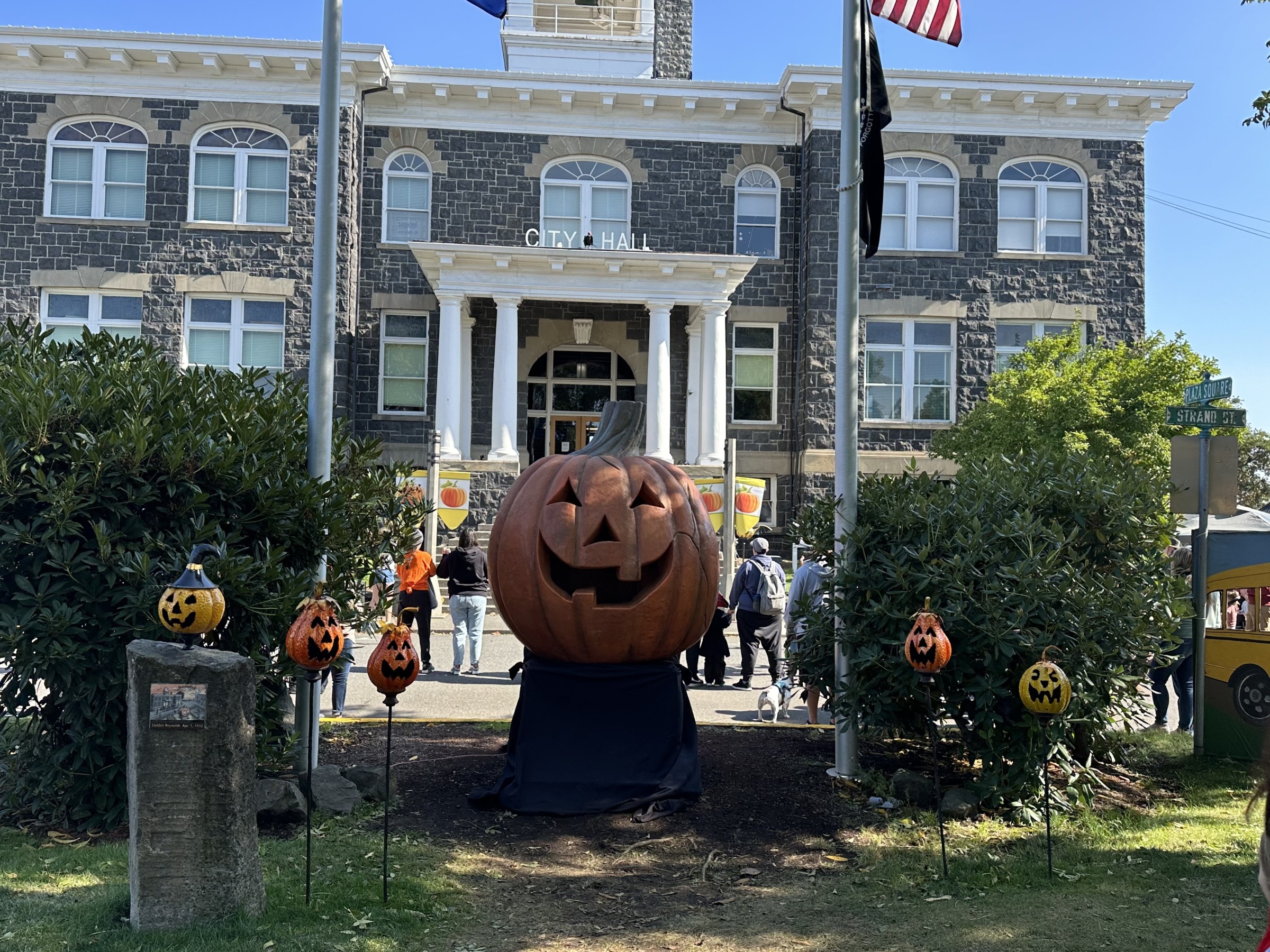
Oregon, if I haven’t conveyed it enough through prior blogs, is, I’m almost positive, the prettiest state in the Union. Green and green and green and blue and blue and blue, except for when it’s grey and grey and grey and grey. Fortunately, my days in St. Helens were mostly blue and the spectacular weather called us to visit the quaint town square transformed during the month of October into Halloweentown, the title of a Disney movie filmed there in the 1990s. The townsfolk do a great job recreating movie set details, like the skeleton-driving taxicab, the giant pumpkin, and Halloweentown entry sign framing out what looks like Opie’s Mayberry RFD. Small town America at its finest.
Which I also experienced the night before at my nephew’s football game, the St. Helens Lions vs. Astoria’s Fisherman. Cold, rainy, uber salty popcorn, the band, the cheer squad, the Halloween-themed halftime show, homecoming court, the king and queen, fumbles, recoveries, impressive passes and a final victory. While the game was good, tense at the beginning, what struck me most is this is stranger’s observation: the world could have been under a nuclear attack but St. Helenians would have been oblivious because it was Friday Night Lights and the only thing that mattered was The Game, the impending announcement of the Royal Court and those sweet, epic, nothing-ever-changes, cinematic, eyes twinkling, high school crushes.
Has it really been 50 years since I was a senior? I could have been them. One day they will be me.
Crazy.
And so is Oregon’s weather. “Do you think it will rain?” I asked my sister-in-law, as the burnt orange sunset gave way to the howling moon.
“No,” she assured, looking west toward the vampire swirl of clouds. “Only 1% chance.”
You know the end of the story, which isn’t really the end. It rained. And it was cold. But it didn’t matter. Because we were together, cheering-on Gabe and his drenched teammates.
Nothing ever really changes about first love and a parent’s and grandparent’s love for their kids. The cheering and thumbs ups and we’re-so-proud-of-you moments were glassy-eye beautiful and something I’ve missed as America’s Happiest Visitor.
Sitting beneath coats and blankets as the rain fairy-dropped its forest-vitamin elixir and the crowd hooted and the Lions band drummed, was like being a calico patch in the perimeter of a frayed king-size quilt. I wasn’t The Story, but a small part of it, an observer stitching together pieces in search of meaning, in search of soul.
Here’s the headline: It’s all about love.
Having a spaghetti and farm-to-table salad at Alexis and Christian’s dinner table, the taco bar two nights before with even more family, watching Carly play soccer on another cold night 40 minutes away in Beaverton, hanging out with her sis, June the Bloom and bro, Sammy the dinosaur, and devoted mama, Lindsay, even if it was for all-too short a time, hay-riding at Sauvie Island’s pumpkin patch, and enjoying a beautiful Saturday morning brunch, and attempting to mushroom forage with Roxie, Matt and Hugh, and my brother’s thoughtful gift of a bouquet of dried lavender to remember him on my journey, was as heart-full as it sounds. They all went out of their way to share what they love with me.
What a blessed life I’m living! Understanding, on a deep level, that it’s not the doing, it’s the being with.
Last year when I visited my Oregon family during an August heatwave, my brother had just transitioned back home after being hospitalized following complications from a nasty fall. Honestly, I thought it was the last time I’d see him. Since then, he’s been on several vacations and in less than two weeks he’ll be on a two-week European cruise with his wife and lovely granddaughter. While he’s not ready for a marathon, he’s walking with a cane and the aid of an electric wheelchair. His recovery is remarkable, which he owes to God, his stubborn Barker genes, and his amazing wife. He wouldn’t be here if it wasn’t for her.
That interconnected root structure.
We are who we are because of the seen and unseen.
Right now, I’m on the road to parts truly unknown. But in my pocket and in the makeshift nut grinder vase I picked up from an antique store in Halloweentown, are bits of moss, a tiny pinecone and a Japanese maple leaf I pinched from my family’s Belton Road home the day before I left, a reminder that home isn’t a building or post office address; it’s the people and the memories you share, both good and bad.
I am evolving, learning, saturating myself with the knowledge that it’s the experiences, not the things, that shape us. If, and when, we’re willing to change our thinking, the entire world—not just a single address–can be our home.
A Very Bad Ode to the Oregon Coast
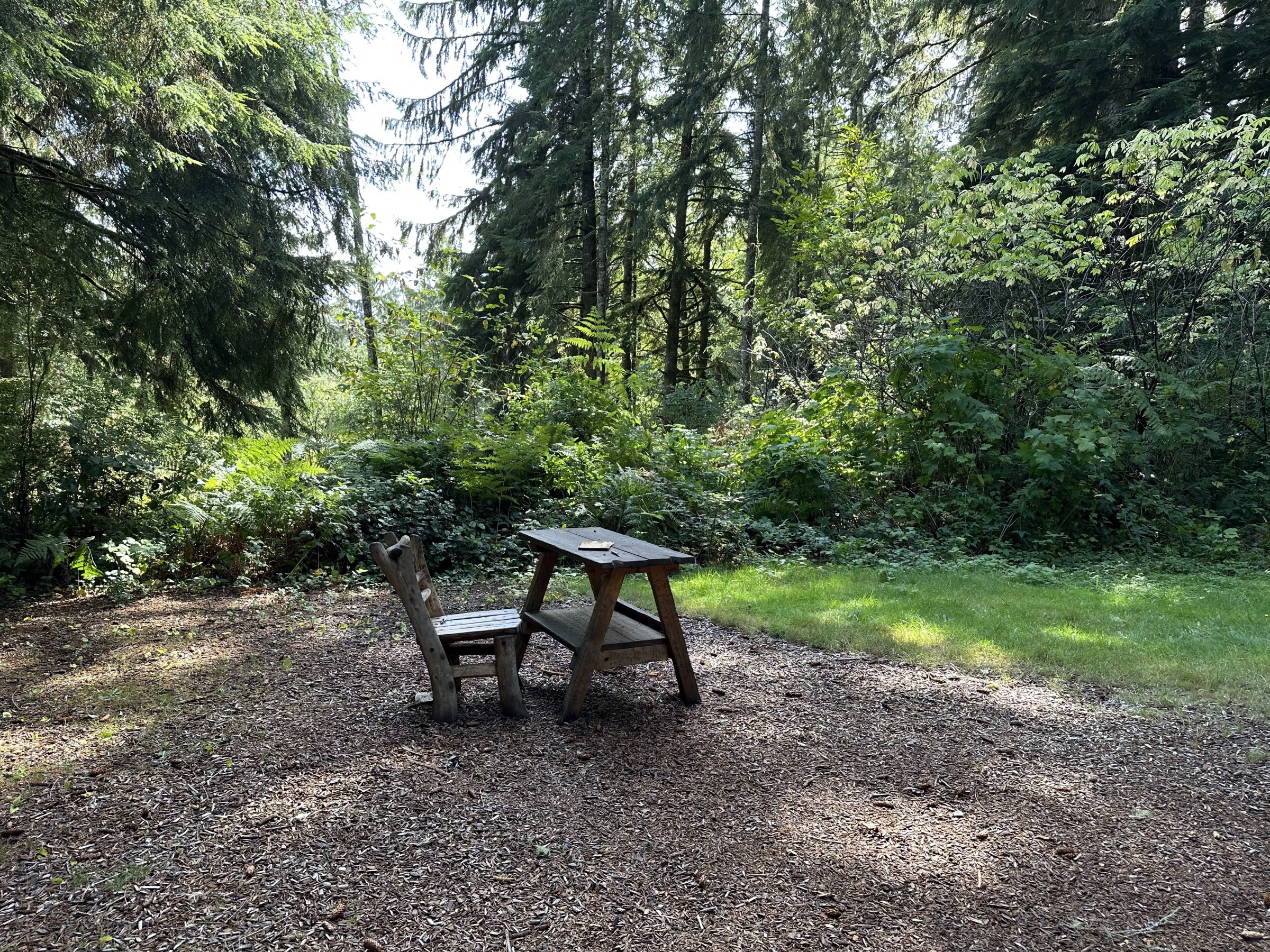
Wild and green,
Weaving and rolling,
Sheltered and exposed to the Pacific Ocean’s girth and temper,
Dinosaurs and explorers,
Con men and conservationists,
Casinos, small towns, and a dwindling Native presence.
A sorcery, a teacher, a non-judgmental priest listening to confession,
Felled forests, tree victims ambulencing down the road.
Moving forward, staying still.
Drink-in, remember,
what it was like to spend 10 days camping along the Oregon Coast.
Starting South near Brookings, site D11 at Harris State Park, was an established, safe resting spot as she transitioned from NorCal’s grand protected redwoods; clean, free showers, a couple of minutes’ drive from Fred Meyers.
From there, she traversed to Cape Blanco, site A24, but all the spots were good.
Clear skies, warm temps and hushed quiet, made this her favorite Oregon campground of all.
Sadly, the fires were looming, and bad air forced her to go.
She left to spend the night at Jessie Honeyman, an active place for families with screaming kids and boisterous dogs, and after a day pretending she could hack it, decided life is too short and moved on to Cape Lookout which, thanks to the rain, had plenty of open spots.
Blustery and rainy was she, and impulsive, “Let’s see where the wind takes me.”
She landed in a world once inhabited by creatures who crept out of the sea,
It was exactly the right place to be.
Her next stop was a fellow camper’s recommendation, Nehalem State Park site 30D, not a bad layover as the storm hunkered down, hook-ups, a shower, and a quick trot to the dunes.
And now it’s the last morning at Hammond’s Fort Stevens State Park site 34M,
Two nights it did rain, the last day blessedly cleared up, time to squeeze in a bike ride, and visits to Astoria’s Column and Maritime Museum and Fort Clatsop down the street at Lewis and Clark State and National Park.
Driving along Oregon’s 101 was spectacular and curious, this new sojourner recommends it to all. But take your time, stop a while, two nights minimum, before you move on.
Because each little town is magical,
From salt works and fish and chips to wood carvers and dispensaries (not her jam)
It’s touristy and vast, a coastline like no other,
It’s probably why her bro and sis-in-law bought a house with a view of rambunctious sea otters,
While she can’t see herself living here, the damp and cold is really too much, for a visit—a long visit, say four instead of two weeks—it’s a bucket list fun.
My advice, don’t rush. Sit awhile. Let the coastal forest speak. Then, you know you’ve been there, enjoyed the weather, sampled the food, and napped in the cradle of cedar and alder which seeks no other than kindness and respect.
There, she’s said it, cheesy Tillamook closing credits:
Coastal Oregon, two-hands clasped around her heart.
And while this leg of her two-month sojourn is now past tense,
She’ll never forget the time she was here, by herself, in the woods,
Near the sea, basking in a dream she long had.
When it rains, and rains, and rains and …
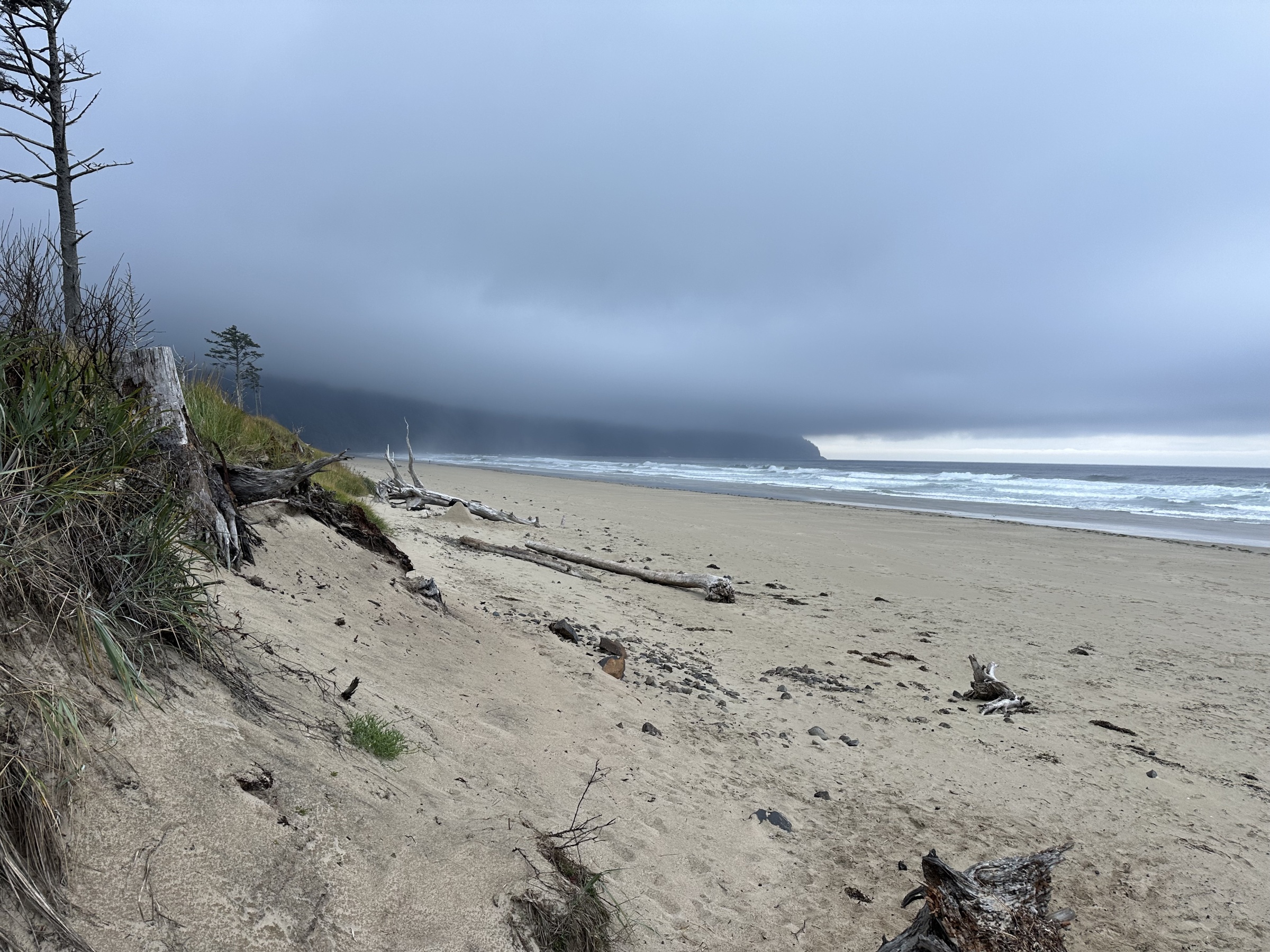
Now I’m a real nomad. It’s a new season. I’m in a new place. It’s been raining for the last five days and will continue to do so for the duration I’m camping along Coastal Oregon.
This week’s deluge is unusual for September, local weather forecasters report. All part of the adventure and attitude adjustment us nomads make on a daily basis. And while I’d rather be gadding about, hiking and biking without wet shoes and layers of clothes, camping in the rain has its benefits.
No. 1, since I upgraded my travel digs to a 2016 Pleasureway Ascent, I have heat, a toilet, kitchen, and cozy bed that I’m lounging in at this very moment. I have a TV, can you believe it? and occasional cell reception which allows me to movie-binge; I’m in the middle of Netflix’s “The Chosen” and almost done with the new season of “The Morning Show” on Apple TV. I have a ton of healthy food in my pantry and fridge, my beloved books, music, and art materials. Tucked away as efficiently as humanly possible in my 19’ x 6’ apartment-on-wheels, I have everything I need to enjoy a good life.
In my waffle weave bathrobe and fuzzy Target socks, I look outside and watch the grasses and trees flourish, and listen to the pit-pit-pit-patter dancing atop my roof, and realize that Oregon’s rain invites me to breathe-in gratitude as I appreciate the rhythm of Nature.
No. 2, a week-long rain forecast rain clears out a whole bunch of campers; what’s left is a campground sprinkled with camping devotees, quiet and respectful folk who love getting away from it all as much as I do. Rain campers tend to stick to ourselves, except when there’s a break in the rain, then we hop outside, wave hello as we walk the dog, take out the trash, fill up water jugs, exercise, and check-out each other’s rigs.
No. 3, rainy days give nomads a chance to catch up with the doldrums of life-on-the-road, like cleaning the rig, editing-out clothes and extraneous items you packed—just in case—but know you’re never going to use. Lighten the load. Fresh start.
No. 4, when you travel a lot, it’s good to factor-in unplanned “sick” days when you’re not sick. Soup, tea, a manicure, write postcards, take a nap—restore. Rainy days are my sick days. Time to re-assess.
I’ve discovered that I don’t like driving more than four hours a day. I also don’t like rushing to leave a site. I can, and have, but I like taking my time before moving on to my next destination. In Oregon, you can’t check into a campground until 4 p.m. and some places are more follow-the-rule than others about that. On the flipside, you also don’t have to check out until 1 p.m. Since I have no reason to rush, I usually take my time, write a little, clean up, review the map, make breakfast, and prepare a healthy dinner I can heat-up later.
I’m working to reverse my lifelong, driven, deadline-oriented personality; trying to resurrect that little kid who gets so absorbed into what she’s doing she doesn’t hear Mommy calling, “Janet, let’s go. It’s time to go!” for the fourth time.
You know, I don’t remember Mom ever rushing me. There was no, hurry, hurry, we’re late, childhood stress.
It’s a strange, floating place to be in, this time of my life. Since high school, I’ve been doing, accomplishing, assisting, organizing, and polishing my life so it made sense. It was, in many ways, extraordinary and predictable.
And now it’s not.
Now it’s wonder-filled.
My “job” right now is to witness and experience. I don’t have a compelling “need” to report every detail, every encounter, although it’s my natural inclination as a former journalist to do so.
These Oregon rainy days help me to realize how important it is for me not let the inclement weather—or anything else for that matter—ruin my day.
Not the worrying phone call.
Not the muddy shoes tracked across my new rug.
Not the occasional cruddy people.
Not the big branch that hit the back of my rig in the middle of the night and possibly damaged my e-bike and/or solar panel.
Rain washes it all away, clears the canvas, revealing patches of blank, negative space for me to ponder: Should I fill it in with aqua blue or leave well enough alone?
This afternoon, in the drizzle, in the sand-pelting wind, I decided to layer-up and hike across the sand dunes at Nehalem State Park in Manzanita, Oregon. The sand was wet and cold, beige and onyx, and my stride was slow as I climbed to the top of the dune. I almost couldn’t breathe. Not because it winded me, which it did, but because I realized, if I let the rain stop me, I would have missed the wild vista. As it was in the beginning. Just me, Isadora Duncan’s scarf dancing dunes, and the boisterous sea. You know those victory at sea paintings? Those stunning postcards of perfectly framed windswept beaches? It was like that, only a trillion times more magnificent. If I had the ability to fly, I would have done so, right there, like the seagulls, like the Canadian geese, like the shredded soaring cotton clouds.
I don’t want to forget this. Or yesterday. Or what’s to come. Words are my painting, my song, reminding me, it really happened.
* * *
It can be scary. People can be so hurtful. But not you. Your goodness, your sincerity, brings joy and value to the world.
My experience has been, both as a reader and writer, that when a person shares his or her truth, the rain disappears, and we become one.
The ancient redwoods offer many life lessons. They know, for instance, that in order to weather the weather, they need to network with divergent species—hemlock trees, ferns, grasses, and huckleberry bushes. Superficially, literally, their interconnectedness is esthetically beautiful, but dig a few feet below the surface and their complex, interwoven circuitry is astounding. Such could be said about human interactions.
Two years back when I was still teaching, I decided to take a chance and share my life observations via this blog. It’s been a healthy outlet for me, and I hope, adds value in some way to your life. Vulnerability is good. Our cracks make us strong.
“Pay attention, be astonished, and tell about it,” poet Mary Oliver wrote.
Not all the time, I’d add, but when your heart breaks open with ripe nectarine shards.
My two cents: put pen to paper, compose a song, paint a picture, take a photograph, and document what it’s like to be you in this world full of beauty and challenges, in this clumsy, wonderous Fall rainstorm of life that may or may not have a silver lining.
An unexpected gift
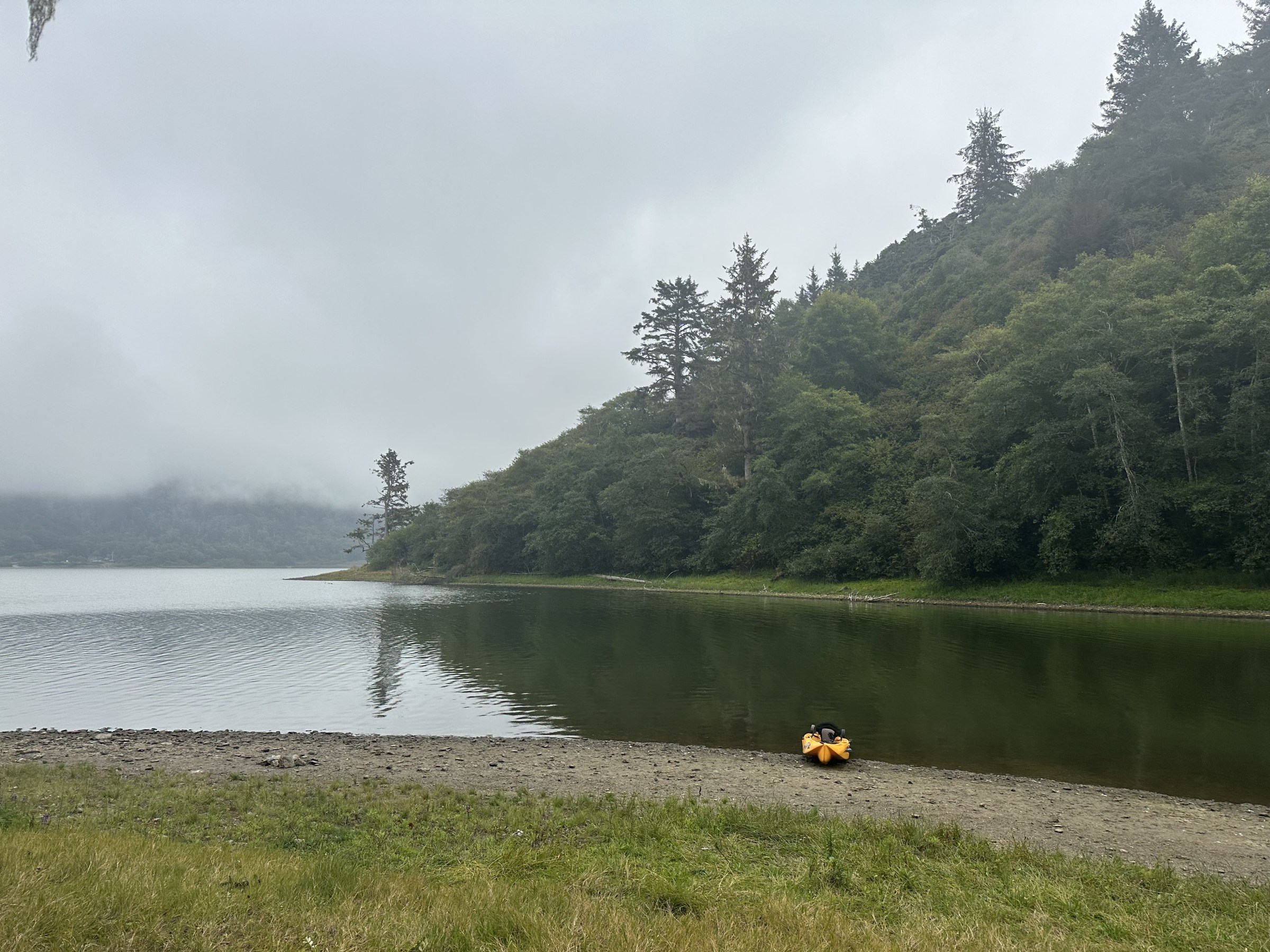
How to you begin to describe the feeling? Kayaking on glass with a long-lost friend, being lifted, suspended in a cloud, in a misty dream you once had and forgot; picking huckleberries; crooking your vision up and down, left and right, to gaze at giant redwoods and bleached native grasses; noticing black-slick, Loch Ness-type creatures disappear and reappear—not just one, but two, three, four teenage siblings—otters—out for an afternoon adventure.
At the most western shore is a cement-colored dam forged by behemoth waves and a breech, a re-occurring tributary as ancient as the Yurok people, the original inhabitants of this coastal alcove. Cormorants and egrets dive for their supper as David and I dock along the shore, taking-in the roaring vista Lego-ed with driftwood, crab shells and berry-sized sand pellets.
The scene reminds me of the emperor’s musical, globe-encased diorama described in Ray Bradbury’s “The Flying Machine” where the world is puzzle-pieced together in perfect harmony (prior to an invader who messed up his plans). Me, I am the nameless, flea-sized character paddling alongside David at his favorite place on Earth.
What an honor, what a gift, to have a friend entrust you with what is sacred to him. David, the retired music director of the church choir I once belonged to, regaled me with fishing tales and rescue missions, fickle depths, and diverse water temperature, what to avoid and when to ride the current. His enthusiasm was infectious: He was, and is, a little kid multiplied by seven decades.
David’s sacred place along Highway 101 is not a secret; teeming with wildlife both seen and unseen, it’s glanced at, and considered, by hundreds of travelers oblivious to the lagoon’s curative properties. When I first drove by Stone Lagoon, I wondered if this was the spot my friend had extensively written about and photographed? It’s hard to know when driving 65 mph; so, when David returned a text inviting me to join him for an afternoon kayak trip, I couldn’t wait to join him. After all, I was just up the road, about 30 minutes north where I was camping at Elk Prairie Creek Redwoods National and State Park, one of my very favorite campgrounds.
Forgive me while I digress but being with David reminded me of a favorite story.
When I was a little girl, one of my most cherished books was about a little blind boy who was to be visited by a Princess. He fretted over what to gift the Princess, but none his ideas were good enough.
One day, as he was tending his vegetable patch, the birds and the sun spoke to him, drawing his attention to the juiciest, rosy-red strawberry in the garden.
“It’s perfect,” he said, as his freckled cheeks broadened.
And indeed, it was.
When the Princess gently cupped the tender fruit in her hands, smelled it, admired it, then bite into the sun-stewed fruit, she couldn’t help herself; she kissed the little boy on the cheek, leaving behind a ruby residue.
“This is the finest gift I have ever received,” she declared.
Naturally, the little blind boy was pleased. A stranger, no less a princess with all the resources to buy anything she desired at her polished fingertips, fell in love with what he loved.
She was blind, but now she could see.
* * *
Beauty in simplicity.
Beauty in Nature.
Beauty in silence.
Beauty in conversation.
Beauty in a friend taking a chance that a busy, busy, hectic, LA-based writer/grandma/mom/cousin/sister/auntie would have the capacity to open her heart and walk into a painting, aware of every brush stroke, every color choice, every flying machine. No wonder David returns here three days a week and says that the time spent on Stone Lagoon isn’t counted against his allotted time on Earth.
I have tired, but my descriptive skills aren’t big enough, warm enough, inspiring enough, to capture the mystical beauty of David’s landscape. In my brief five hours exploring Stone Lagoon, I can affirm that it’s an oasis where a person, if so inclined, can re-connect with their truest, mightiest self.
I hope everyone has their own version of Stone Lagoon, a place that brings you joy and peace and reminds you of your value and how much you’re loved.
I am blessed to have discovered many chapels, Cambria, Tuolumne River in Yosemite, Kauai and Maui, the ancient redwoods in Northern California, the paint-chipped balcony at the Portofino Apartments. But I have also learned that if I stay in one place for 15 minutes or, better yet, an hour and do nothing but listen, look, and feel, I can channel “that peace that passes through all understanding” that I long for.
Before launching my trip, a little more than a week ago, I wasn’t blind as was the little boy in “A Present for a Princess”, but I was nearsighted. That’s what happens when I forget, pull away from, prioritize busyness and others’ needs above my own. Being in Nature gives me a chance to breathe and remember what I already know.
While it may not be a juicy strawberry, this Mary Oliver poem expresses my gratitude to David, and all the kind people I’ve met on this journey, especially Julie and Ken who shared their hearts with me as I sort out mine. It’s called “The Other Kingdoms”:
Consider the other kingdoms. The
trees, for example, with their mellow-sounding
titles; oak, aspen, willow.
Or the snow, for which people of the north
have dozens of words to describe its
different arrivals. Or the creatures, with their
thick fur, their shy and wordless gaze. Their
infallible sense of what their lives
are meant to be. Thus the world
grows rich, grows wild, and you too,
grow rich, grow sweetly wild, as you too
were born to be.

